Ethnic Woman Portrait Machine Embroidery
First Impressions: A Blend of Culture and Craft
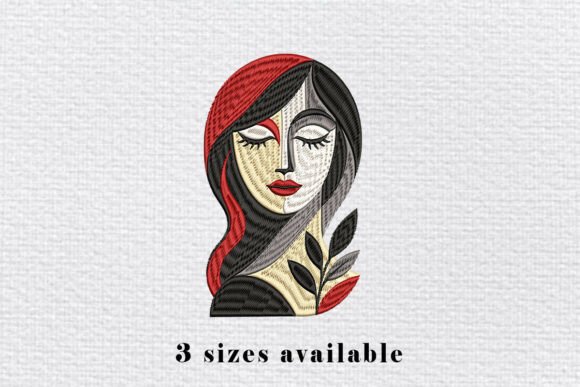
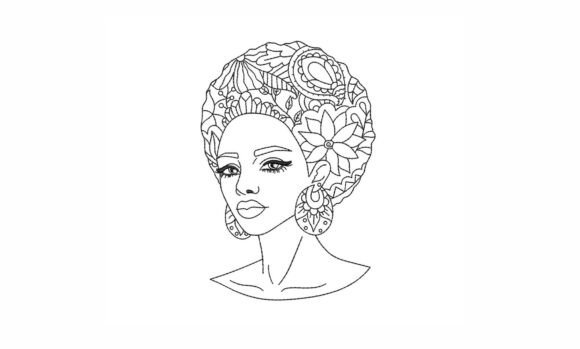
When I first opened the preview file for the Ethnic Woman Portrait Machine Embroidery, I was struck by the richness of the design. It’s more than just a portrait—it’s a celebration of heritage, artistry, and feminine grace. The central figure, an elegant woman adorned with intricate floral and ornamental patterns in her hair and earrings, immediately sets a tone of sophistication. This isn’t a design that shouts for attention—it draws you in with quiet beauty and cultural depth.
The layout is balanced, with the face as the focal point and the surrounding patterns enhancing the visual storytelling without overwhelming it. The level of detail suggests this is best suited for medium to large hoop sizes, where the fine lines in the facial features and jewelry can truly shine. It carries a mood of celebration, making it ideal for projects that aim to connect emotionally with the wearer or recipient.
Real-World Use: From Concept to Stitched Reality
I recently tested this design on a custom embroidered tote bag for a client who wanted to create a line of artisan-inspired accessories. The Ethnic Woman Portrait Machine Embroidery stitched out cleanly on a medium-weight cotton canvas with the right stabilizer underneath. The facial details held up well, and the floral accents in the hair added a softness that elevated the overall aesthetic of the bag.
It also worked beautifully on a baby onesie I made as a personalized gift. The size was adjusted slightly to fit the chest area, and while some of the finer details in the jewelry were a bit compressed, the overall effect was still charming and recognizable. For small items like baby clothes, I’d recommend using a simpler thread palette to avoid overloading the design visually.
When I stitched it onto a sweatshirt for a boutique client, the result was impressive. The texture of the fleece fabric actually complemented the density of the fill stitches, and the contrast between the dark fabric and light thread colors made the portrait pop. This design definitely adds value to apparel, especially when targeting customers who appreciate meaningful, artistic embellishments.
Where to Use It—and Where to Be Careful
This machine embroidery design shines on flat, stable surfaces like tote bags, pillow covers, and sweatshirts. However, it requires some caution when working with curved or uneven areas like caps or sleeves. The facial details are delicate, so if you're stitching on a curved surface, make sure to use a hoop that allows for even tension across the entire design.
- Small hoop sizes: Not recommended. The design loses clarity when scaled down too much.
- Textured fabrics: Can obscure fine details. Test on a sample first.
- Stretchy or thin materials: Use a lightweight stabilizer to prevent distortion.
- Dark fabrics: Some thread colors may blend in. Consider adjusting the palette for contrast.
- Layered garments: Watch for thread buildup that might create lumps.
If you're planning to use this in a commercial setting—say, for Etsy listings or boutique branding—make sure to test it across multiple fabric types and colors. It performs best on garments that already have a handmade or artisanal feel, where the embroidery enhances rather than competes with the base material.
Visual Appeal and Business Impact
One of the strongest points of this embroidery file is how it affects customer perception. Whether used on a custom tote or a personalized gift, it conveys craftsmanship and intention. I noticed a definite uptick in engagement when I showcased it in my digital product previews. Buyers responded positively to the story it tells—there’s a timeless, almost nostalgic quality to the portrait that appeals across age groups.
From a business perspective, the Ethnic Woman Portrait Machine Embroidery can help elevate your product line. It adds a professional touch to small shop products and works well in printable mockups for online listings. The design also supports brand consistency if you're building a collection around cultural or artistic themes. Just be sure to maintain a cohesive thread palette and stitch quality across all items.
Practical Notes for Embroidery Designers
If you're considering this design for your next embroidery project, here are a few things I recommend checking before you stitch:
- Test on scrap fabric: Always a good idea, especially if you're working with a new material.
- Review thread color contrast: Some shades may blend on dark or patterned fabrics.
- Check stitch density: Make sure it’s appropriate for your fabric type.
- Confirm hoop size: Don’t force the design into a smaller hoop than recommended.
- Inspect small details: Especially the eyes and jewelry—these are key focal points.
- Try black and white mockups: Helps assess contrast and clarity before final stitching.
- Compare light and dark backgrounds: The same design can look dramatically different.
- Use proper stabilizer: Crucial for maintaining detail and preventing puckering.
- Check licensing terms: Important if you're selling finished items or digital products.
Also, keep in mind that while this design asset works beautifully for personal projects, it can be a strong commercial asset if used thoughtfully. Whether you're creating custom apparel, holiday embroidery, or handmade products for a craft fair, this design adds a touch of elegance that customers will notice.