Camel Machine Embroidery: A Designer’s Review for Personalized Gifts
First Impressions: A Friendly, Vibrant Design with Desert Charm
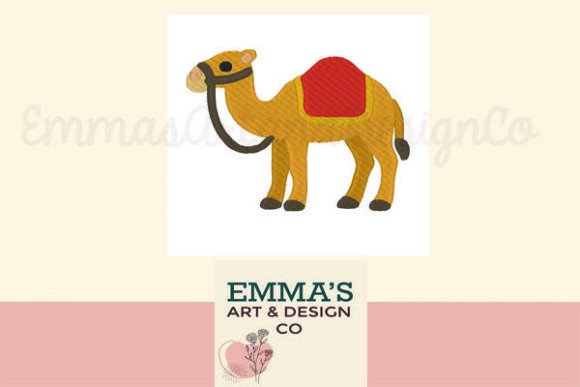
When I first opened the Camel Machine Embroidery design file, I was struck by its cheerful, approachable vibe. This isn’t a stiff or overly formal embroidery—it’s got personality. The camel’s expression is warm and almost mischievous, with a bright saddle that adds a pop of color and visual interest. It’s the kind of design that feels handmade, yet polished—perfect for customers looking for something with a touch of whimsy and a dash of cultural flair.
From a design standpoint, it reads as playful and slightly seasonal, making it ideal for holiday-themed gifts or desert-inspired nursery decor. The detail level is balanced—there’s enough intricacy in the saddle and facial features to feel premium, but not so much that it becomes overwhelming or hard to stitch cleanly on standard machines.
Perfect for Baby Embroidery and Nursery Themes
One of the first uses that came to mind for Camel Machine Embroidery was baby products. Whether stitched onto a baby blanket, a personalized towel, or a pillow cover for a nursery, this camel design brings a gentle, friendly energy that parents love. It fits beautifully into a desert or safari-themed nursery and pairs well with other animal designs in the Wild Animals category.
I tested it on a soft cotton muslin baby blanket, and the result was soft and charming. The camel’s expression felt comforting, and the bright colors added a cheerful touch without being overstimulating. For Etsy sellers or small shop owners, this design can be a standout in baby gift bundles, especially when paired with name embroidery or a custom message.
Wedding Keepsakes and Family Heirlooms
Surprisingly, Camel Machine Embroidery also works well for wedding gifts, especially for couples who love travel, exotic themes, or unique cultural touches. Think embroidered tote bags for a desert-themed wedding, custom pillow covers for a honeymoon suite, or even embroidered handkerchiefs as a keepsake.
The design’s warmth and friendliness lend a sense of storytelling to the gift—perfect for couples who want something beyond traditional monogrammed items. I tested it on a linen pillow cover and found the contrast between the camel’s colors and the natural fabric really elevated the perceived handmade quality of the piece.
Great for Towels, Aprons, and Tote Bags
For gift shop owners and Etsy sellers, Camel Machine Embroidery is a versatile choice for kitchen towels, aprons, and tote bags. It brings a sense of global charm and makes for a memorable personalized gift. I stitched it onto a cotton tote and was pleased with how the colors popped—especially when paired with a simple, clean background.
It’s also a great option for craft fairs or seasonal markets where customers are looking for meaningful, handmade products. Just add a name or date and you’ve got a custom embroidery that feels special and intentional.
Where to Use with Care: Fabric and Placement Considerations
Like any machine embroidery design, Camel Machine Embroidery has some limitations depending on the fabric and product type. Here are a few notes based on my test stitching:
- Small lettering near the design may get lost on very small items—consider omitting or enlarging text if used.
- Delicate details like the camel’s eyes or saddle stitching may not hold up well on thick, textured towels unless stitch density is carefully reviewed.
- Stretchy baby clothes may distort the design if proper stabilizer isn’t used.
- Curved surfaces like mugs or curved pillow inserts may require hoop adjustments or a split design layout.
- Dark fabric can mute the vibrancy of the design’s colors—always test with a printable mockup or light/dark fabric samples.
- Frequent washing (as with baby towels or kitchen linens) means checking for thread colorfastness and ensuring proper stitch density to prevent fraying.
How It Boosts Giftability and Customer Engagement
What makes Camel Machine Embroidery stand out is its emotional appeal. It’s not just an animal—it’s a story. Whether used for a baby gift, a wedding keepsake, or a personalized tote, it adds a layer of meaning and charm that elevates the finished product from generic to heartfelt.
As a designer, I noticed that this kind of design boosts product photography instantly—its bright colors and friendly face make for eye-catching visuals. It also increases customer trust in your handmade product quality, especially when paired with clear mockups and descriptions of customization options.
Practical Embroidery Notes for Sellers and Makers
Before adding Camel Machine Embroidery to your digital embroidery file collection or using it for customer orders, here are a few essential steps to ensure quality and professionalism:
- Test on scrap fabric before stitching on customer items.
- Check thread color contrast against your fabric—especially for the saddle and facial details.
- Confirm hoop size to ensure the design fits your machine and intended product.
- Review stitch density to avoid puckering or distortion on stretchy or textured materials.
- Use proper stabilizer for the fabric type—cutaway for stretchy, tear-away for stable cottons.
- Compare light and dark fabric mockups to see how colors render.
- Check small details after stitching—especially eyes and fine lines.
- Confirm commercial licensing before selling finished products—always check the embroidery file terms.
Final Thoughts: A Warm, Versatile Design for Gift Makers
Overall, Camel Machine Embroidery is a standout machine embroidery design that brings warmth, charm, and versatility to personalized gifts. Whether you're creating for a baby, a newlywed couple, or a customer looking for a one-of-a-kind handmade product, this design delivers both visual appeal and emotional impact.
For small shop owners, crafters, and digital product sellers, it’s a smart addition to your collection—especially when paired with seasonal themes or cultural motifs. Just remember to test thoroughly, choose your fabric wisely, and highlight the design’s story in your product photography and descriptions.