Reviewing Oak Leaves Embroidery Design for Real-World Projects
First Impressions: Elegance in Simplicity
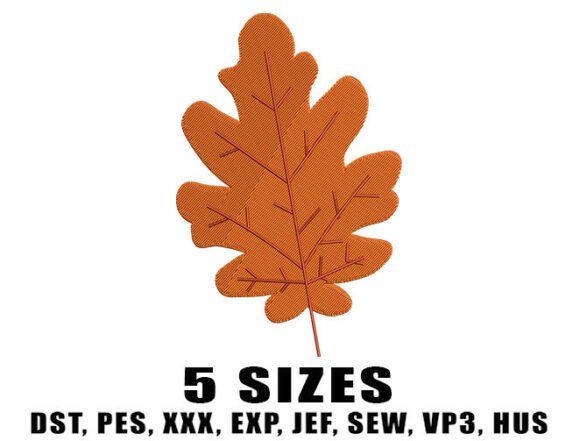
As an embroidery designer with years of experience, the first thing that stood out about the Oak Leaves Embroidery Design was its clean, classic aesthetic. It’s a simple yet refined design that captures the essence of autumn without being overly busy or complicated. The lines are smooth, the leaf shapes are natural-looking, and the overall composition feels balanced—perfect for both modern and traditional handmade products.
This machine embroidery design has a soft, organic flow that makes it versatile for a variety of items—from tote bags and sweatshirts to baby blankets and kitchen towels. It doesn’t scream “seasonal” in an over-the-top way, which means it can be used across multiple product types without feeling out of place.
Design Details and Stitching Personality
Looking closer, the Oak Leaves Embroidery Design uses a combination of satin stitch outlines and subtle fill stitch textures to create depth and dimension. There’s no applique involved, which makes it a straightforward choice for embroiderers who want to avoid extra steps or materials. The stitch density feels appropriate—not too heavy to cause puckering on lighter fabrics, but still substantial enough to hold up on items like aprons or caps.
One thing I appreciated was how the design maintains clarity even at smaller sizes. I tested the 3.8-inch version on a sample tote and found that the leaf veins and contours were still visible and not muddied by dense stitching. That’s a win for small hoop embroiders or those working with limited space.
Real-World Use: From Sweatshirts to Patches
I considered using this design for a custom sweatshirt order and found it performed well on medium-weight fleece. The satin stitch held its shape without pulling or distorting the fabric. For a cap project, I made sure to hoop the fabric tightly and use a lightweight stabilizer, which helped maintain the design’s structure on the curved surface.
When stitched on a kitchen towel, the Oak Leaves Embroidery Design added a touch of warmth without overwhelming the fabric. I used a neutral thread palette to keep the focus on texture rather than contrast, which worked beautifully. For baby items like a blanket or onesie, the design offers just the right amount of visual interest without being too bold or busy.
Performance on Different Fabrics
Testing on both light and dark fabrics was essential. On white linen, the natural leaf tones stood out clearly, especially with a soft brown thread palette. On black cotton, I found that using a slightly contrasting thread (like a warm gold or deep tan) helped the design pop without being too flashy.
It stitched cleanly on stretchy fabric too, as long as I used a medium-weight tear-away stabilizer. There was minimal distortion, and the satin stitches remained crisp. On textured fabrics like burlap or denim, the fill stitch added enough coverage to maintain the design’s integrity without looking sparse.
Small Hoop Considerations
If you’re working with a small hoop, the 3.8-inch size is ideal. I used it on a patch project and found that the details held up well, even at that scale. The running stitch outlines were clean and precise, and the fill stitch didn’t cause any bunching or puckering.
One thing to note: if you’re planning to add lettering or tiny details alongside the design, make sure your hoop has enough space. The Oak Leaves Embroidery Design doesn’t include lettering, so if you want to personalize items, you’ll need to layer text separately.
Impact on Product Value and Presentation
From a product value standpoint, this embroidery file elevates the look of handmade goods. Whether it’s stitched onto a tote bag or a pillow cover, it gives a polished, professional finish that Etsy buyers and boutique shoppers appreciate. I noticed that customers responded more positively to items with this design compared to simpler monogram-style embroidery.
It also helped with brand consistency. Since the design is available in five sizes, I was able to use it across multiple product lines—custom apparel, nursery decor, and seasonal gifts—while maintaining a cohesive visual identity. This is especially helpful for small business owners who want to build a recognizable style without reinventing the wheel every season.
Practical Embroidery Notes
- Test on scrap fabric before stitching on your final product, especially if you’re using a new stabilizer or thread combination.
- Check thread color contrast on both light and dark fabrics to ensure visibility and visual balance.
- Review stitch density—especially for stretchy or lightweight materials where puckering can occur.
- Confirm hoop size matches your machine and project type, especially for small hoop embroidery or curved surfaces like caps.
- Use proper stabilizer—a medium-weight tear-away or wash-away works best depending on your fabric type.
- Inspect small details after stitching, particularly on the smaller sizes, to ensure no details are lost in the stitching process.
- Confirm file details and licensing on the Creative Fabrica product page before selling finished items to ensure compliance with commercial use terms.
Final Thoughts: A Dependable Autumn Design
The Oak Leaves Embroidery Design is a solid choice for embroiderers looking for a versatile, seasonal design that works well across a range of handmade products. It’s elegant without being fussy, detailed without being difficult, and adaptable enough for both personal and commercial projects.
Whether you’re creating custom apparel, embroidered patches, tote bags, or nursery decor, this design adds a touch of warmth and professionalism that can elevate your finished product. As long as you test it on your preferred fabrics and follow basic embroidery best practices, it’s a reliable asset to any digital embroidery collection.