Read More Books Embroidery Design Review
First Impressions: A Playful, Versatile Design for Boutique Apparel
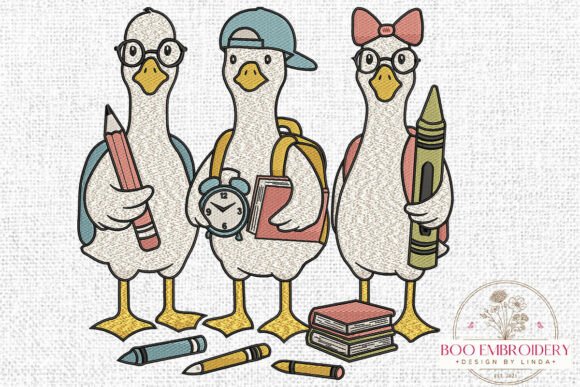
As an embroidery designer preparing for a new seasonal collection, I was immediately drawn to the Read More Books Embroidery Design. It carries a whimsical charm that’s both youthful and timeless, making it a standout option for boutique apparel and handmade lifestyle products. The design’s personality leans toward playful and cute, with just enough detail to catch the eye without overwhelming the fabric. Whether you're crafting for kids, teens, or book-loving adults, this design offers visual appeal that translates well across a variety of garments and accessories.
How It Works for Sweatshirts and Hoodies
One of the first applications I considered was sweatshirts and hoodies, especially for a cozy back-to-school line. The Read More Books Embroidery Design works beautifully on neutral sweatshirts and pastel hoodies, where the playful colors and soft details really pop. On darker garments like navy or charcoal, the design still maintains its charm, especially when stitched with high-contrast threads. The level of detail is balanced—dense enough to feel premium, but not so heavy that it compromises the softness of fleece or cotton blends.
For chest placement, this design holds its own without looking too busy. It also lends itself well to sleeve accents or even a small back placement on oversized hoodies, giving boutique brands a signature touch that feels intentional and curated.
Perfect for T-Shirts, Denim, and Tote Bags
This machine embroidery design is just as effective on t-shirts, especially when used as a subtle chest or hem accent. It brings a personalized, handmade feel to basic tees, making them more appealing for Etsy sellers or small shop owners looking to elevate their offerings. The same goes for denim jackets—adding this design to the chest or back pocket area gives a vintage-inspired flair that resonates with modern handmade markets.
Tote bags are another great application. The Read More Books Embroidery Design adds a literary charm that’s perfect for bookstores, libraries, or gift shops. It pairs well with minimalist tote designs and enhances the visual appeal of product photos and printable mockups used for online listings.
Stitching Performance and Fabric Considerations
From a technical standpoint, this embroidery file handles well on most fabrics. However, as with any design, there are a few things to keep in mind. The stitch density feels appropriate for a playful design, but if you're working with stretchy or ribbed fabric, consider using a lightweight stabilizer to prevent distortion. For fleece or thick sweatshirt material, a medium-weight cutaway stabilizer is recommended to ensure clean, crisp stitching.
Thread color contrast is key—especially on dark garments. I suggest testing a few thread combinations on scrap fabric before committing to a full run. Also, be mindful of tiny lettering or fine details if you're resizing the design. Always check the hoop size requirements and make sure your machine embroidery setup can accommodate the design without compromising stitch quality.
Placement Tips for Best Visual Impact
- Small chest placement: Works best on youth or toddler sweatshirts where scale is appropriate.
- Dense stitch areas: Avoid layering over seams or stretch-prone zones to maintain design integrity.
- Curved surfaces: Ideal for flat areas like the front chest or tote bag center.
- Dark garments: Use light or metallic threads for standout detail.
Adding Value to Your Brand and Products
For small clothing brands and Etsy sellers, the Read More Books Embroidery Design can do more than just decorate—it can elevate your brand identity. A consistent, well-placed embroidery design like this builds product recognition and helps create a cohesive look across your collection. Whether you're crafting a boutique merchandise line or preparing lifestyle product photos, this design adds a professional touch that resonates with customers.
It also supports visual consistency across social media graphics and Etsy listings. When used thoughtfully, it enhances customer engagement by offering a unique, handmade appeal that sets your products apart from mass-produced alternatives.
Practical Notes for Embroidery Designers
Before production, I always recommend a few key steps to ensure quality and avoid surprises:
- Test on scrap fabric to evaluate stitch density and thread coverage.
- Check stabilizer choice based on fabric type—cutaway for stretchy materials, tear-away for stable cotton.
- Review thread color contrast on light and dark garments.
- Confirm hoop size and machine compatibility with your setup.
- Inspect stitch density and detail clarity after test stitching.
- Test on similar garment fabric to ensure durability and appearance.
- Compare placement options for best visual balance.
- Review Creative Fabrica product details and licensing before selling finished apparel.
Final Thoughts: A Thoughtful Addition to Your Embroidery Library
The Read More Books Embroidery Design is more than just a cute motif—it’s a versatile, well-constructed machine embroidery file that brings value to boutique apparel, handmade products, and commercial embroidery projects. Whether you're designing a cozy hoodie line or crafting unique tote bags for a niche market, this design offers a balance of charm and practicality. It’s a smart choice for Creative Fabrica users looking to add personality and professionalism to their finished products without overcomplicating the process.